
Bathudi
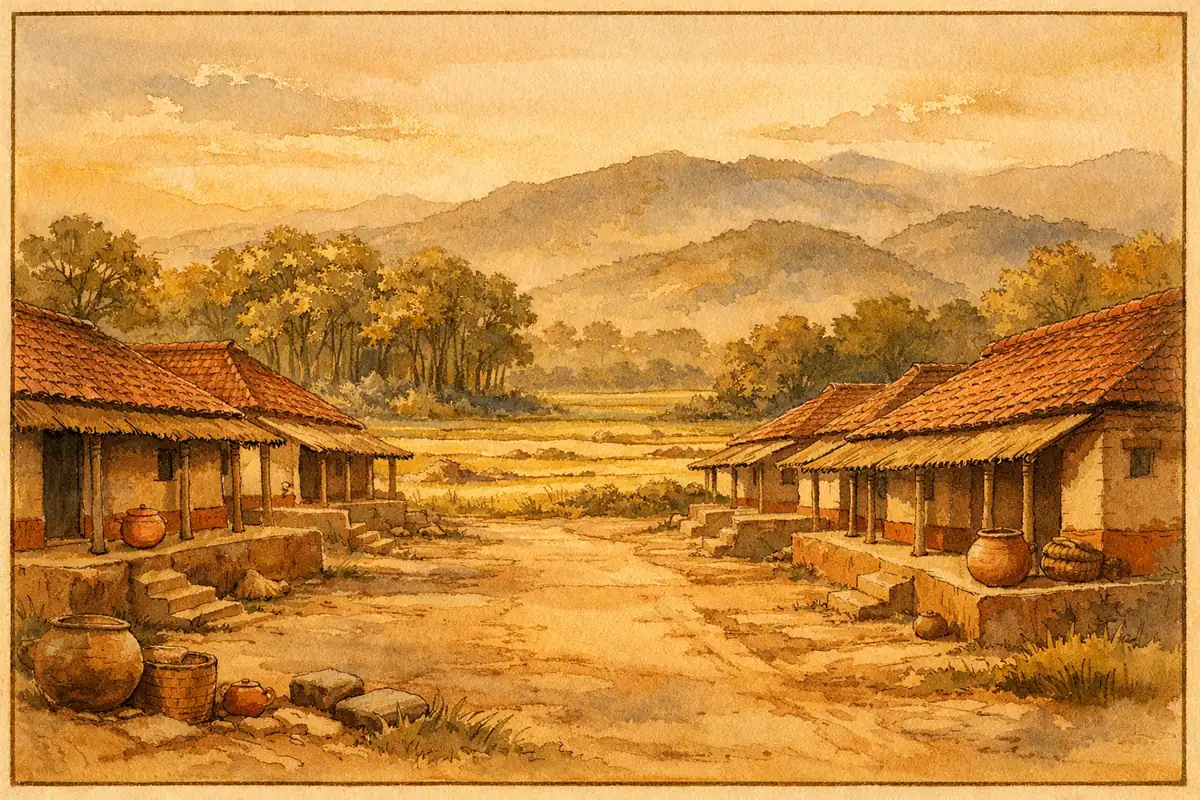
At a glance
- Clan word
- Khili
- Descent
- Through the father
- Lives in
- Odisha, Jharkhand, Bihar
- Language
- Odia (Indo-European (Indo-Aryan))
- Population
- 2,20,877 Census 2011, Table A-11, Bathudi entries added together: Odisha ('Bathudi, Bathuri') 217,395; Jharkhand 3,464; Bihar 18.
- Region
- East
About
The Bathudi are a people of northern Odisha, living mainly in Mayurbhanj, Keonjhar and Balasore, with a few in Jharkhand. They speak Odia. They hold themselves to be among the first settlers of Bhanjabhumi, the old Mayurbhanj and Keonjhar country, and SCSTRTI describes them as a tribe that has taken up many Hindu customs. Their exogamous clans, called khili or gotra, include totemic names and the names of rishis. They are a Scheduled Tribe in Odisha, Jharkhand and Bihar; the 2011 census counted 220,877.
Clans and Kinship
SCSTRTI (2019) describes the Bathudi as an endogamous community divided into totemic exogamous clans, called khili or gotra, whose members do not harm their totems and regard each other as brothers and sisters, so marriage within the clan is forbidden. Cross-cousin and parallel-cousin marriage are not allowed. The family is mostly nuclear, patrilineal and patrilocal, and the eldest son takes his father's place in society. Settlements are often of one clan. A village council of the pradhan (headman) with the desh chatia, dakua and chowkia manages village affairs, and a regional council (jati samaj) under a hereditary chief, the desh pradhan in Mayurbhanj and the mahanaik in Keonjhar, decides what the village cannot.
What “Khili” means
SCSTRTI (2019) gives khili and gotra as the Bathudi words for the exogamous clan. Some are named after a totem; others after rishis such as Parasara, Kashyapa and Bharadwaja, as among Hindu castes.
11 khilis
- Saluka
Totem: wood husking
SCSTRTI's gloss.
- Kusmardia
Totem: a wild grass
- Nag
Totem: serpent
- Thariyar
Totem: a wild fruit
- Panipuk
Totem: a water insect
- Sankhiyar
Totem: conch
- Dhanphul
Totem: paddy flower
- Parasar
Named after the rishi.
- Kashyap
Named after the rishi.
- Bharadwaj
Named after the rishi.
- Shalya
SCSTRTI glosses it 'army general'; the profile spells it Sailya.
The clans SCSTRTI names for the Bathudi (handbook 2019 and profile), in its order, with its glosses; its 'etc.' shows the list is not complete.
In the Official Lists
Scheduled Tribe
Odisha, Jharkhand, Bihar
Listed as: Bathudi
The Odisha census table enters 'Bathudi, Bathuri'.
Checked against the 2011 census table of each state and Wikipedia's compilation of the order; amendments after 2011 were not checked.
Checked on 2026-11-07 against the sources below. The lists are amended from time to time and can differ by district; for a certificate, the current order or the state's list is what counts.
Name and Origin
SCSTRTI (2019) records the other names Bathdi, Bahutuli and Bathuhuli. The Bathudi believe they are among the original settlers of Bhanjabhumi, which covered present Mayurbhanj and Keonjhar and part of Singhbhum, and some say they came from Bakua in the Similipal hills. A tradition cited by Raghavaiah (1972) says they were born from the arm (bahu) of Brahma. The Mayurbhanj State census report of 1931, as SCSTRTI quotes it, placed their first home at Batuligarh. Many Bathudis believe their own chiefs once ruled in the Similipal range and later built a fort at Jashipur.
History
Bathudi surnames such as Nayak, Giri, Bishal, Rout, Khawli, Bansori, Patra, Mundiyar, Khandai and Sangia are said to come from the military or household service their ancestors gave the old zamindars (SCSTRTI 2019). They are settled cultivators who also work for wages and gather forest produce. In villages shared with other communities they live in their own wards, keeping their own identity.
Faith and Worship
The Bathudi keep local Hindu festivals and worship Hindu deities together with their own deities in the sarna or gramthan, the sacred grove; their own priest is the dehuri. Before marriage both boys and girls must receive the karna mantra from a Vaishnava guru (SCSTRTI 2019).
Customs
Monogamy and adult marriage are the rule; marriage by negotiation (sambandha) is preferred, with other forms by consent (bhalpai), exchange (badal) and intrusion (dhuka). Widows, widowers and the divorced may remarry, and junior levirate and sororate are allowed. Birth pollution lasts nine days, and on the twenty-first day, at ekosia, the child is named by rice divination. The dead are cremated or buried, and death pollution lasts ten days (SCSTRTI).
Festivals
Dussehra
Ashvina (September-October)
The dehuri or guru performs the worship and sacrifices goats and cocks (SCSTRTI).
Makar Sankranti
Pausha (December-January)
A Brahman priest performs the worship (SCSTRTI).
Related communities
Sources
- SCSTRTI Odisha, Bathudi (photo handbook, Bhubaneswar, 2019), from the Ministry of Tribal Affairs repository. Foreword; identity; social organisation; marriage; political organisation
- SCSTRTI Odisha, tribe profile: Bathudi. Scheduled Castes and Scheduled Tribes Research and Training Institute, Bhubaneswar; read 7 November 2026
- Census of India 2011, Table A-11: State Primary Census Abstract for individual Scheduled Tribes (one table for each state). Odisha (catalog 42960); Jharkhand (catalog 42959); Bihar (catalog 42949)
- Constitution (Scheduled Tribes) Order, 1950, as amended, Parts for Odisha, Jharkhand and Bihar, as compiled in Wikipedia's List of Scheduled Tribes from the Census of India list of notified Scheduled Tribes
Practice differs by village and family. If something here does not match your family's tradition, trust your elders.