
Samaj समाज
The peoples and communities of India and the clans each keeps: the paris of the Santal, the killis of the Munda and Ho, the kurs of the Khasi, the chatchis of the Garo, the salai of the Meitei.
Scheduled Tribes, Scheduled Castes and OBC communities from every region, with the north-east and the east in the most depth. Each page records the community's place in the official lists and when it was checked.
28 communities · 546 clans listed
28 communities
North-East
Angami
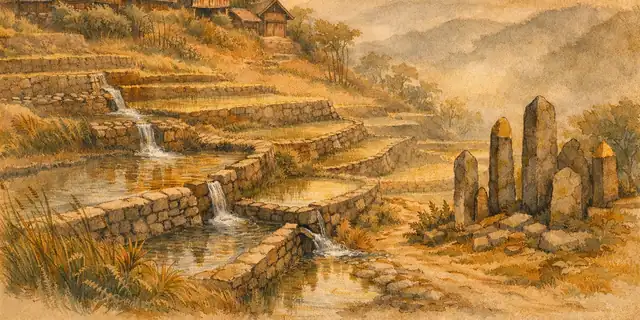
The Angami are a Naga people of the hills around Kohima in Nagaland, with some villages in Manipur. Hutton (1921) recorded that some of them call themselves Tengima. Their villages are known for terraced rice fields fed by channels, and each village is made up of clans (thino), patrilineal and grouped under two halves of the tribe (kelhu). Their language is Tenyidie. They are a Scheduled Tribe, within 'Naga' in Nagaland and by name in Manipur.
Nagaland, Manipur
Ao
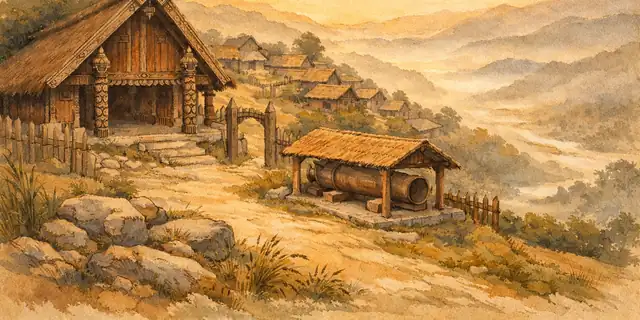
The Ao are a Naga people whose country lies around Mokokchung in Nagaland. Mills (1926) recorded their name for themselves as Aor. They are divided into language groups, the Chongli and Mongsen and the smaller Changki, each with its own clans, and every clan belongs to one of three exogamous phratries. Each ward of a village was governed by councillors who handed over to the next generation together. They are a Scheduled Tribe within the entry 'Naga' in Nagaland.
Nagaland
Bodo
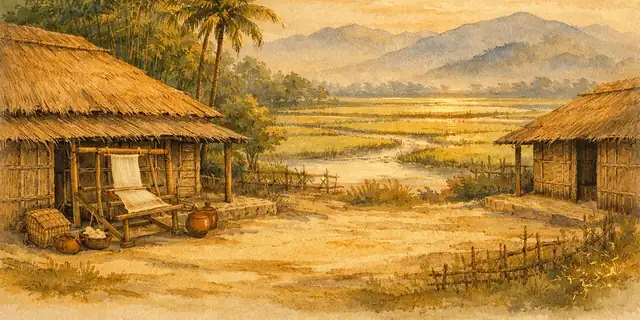
The Bodo, who call themselves Boro or Bodo, are a Tibeto-Burman people of the Brahmaputra valley in Assam, living most densely in the Bodoland Territorial Region north of the river, with others in Meghalaya. Older books call them Kachari, the name their Assamese neighbours used, or Mech in Bengal. Bodo families carry the name of their mahari, or clan, as a surname, and most of these end in -ary, 'folk'. Many keep the traditional religion, Bathou. They are a Scheduled Tribe in Assam as Boro, Borokachari and in Meghalaya as Boro Kacharis.
Assam, Meghalaya
Garo
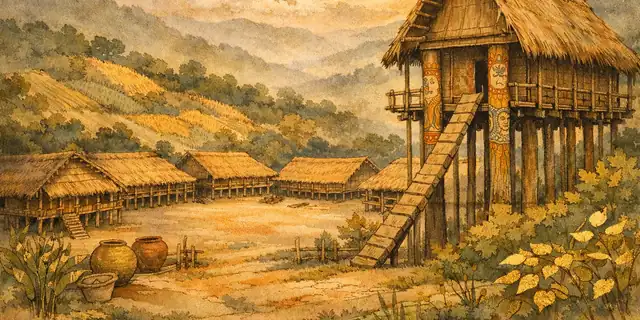
The Garo, who call themselves A·chik, are the people of the Garo Hills in western Meghalaya, with others in the neighbouring plains of Assam and in the Mymensingh region of Bangladesh. They speak Garo, a Tibeto-Burman language close to Bodo. Descent is through the mother: every Garo belongs to the mother's chatchi (Sangma, Marak, Momin and others) and to a machong, a line from one ancestress, and marries outside them. One daughter inherits, and her husband, the nokrom, comes to live in the house. They are a Scheduled Tribe in Meghalaya, Assam, Mizoram, Nagaland, Tripura and West Bengal.
Meghalaya, Assam, Bangladesh, Tripura
Karbi
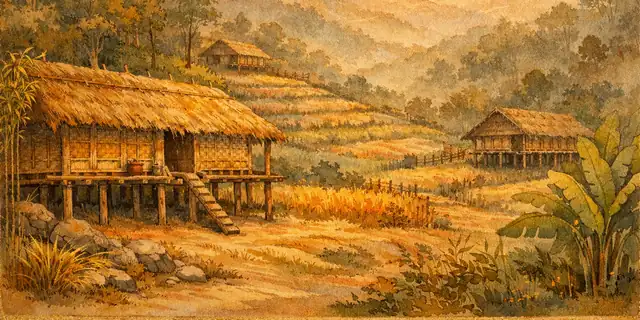
The Karbi, who call themselves Arleng ('man'), are a Tibeto-Burman people whose homeland is the Karbi Anglong hills of central Assam, with smaller groups in the Assam plains, Meghalaya, Nagaland and Arunachal Pradesh. Older books, including Stack and Lyall's monograph of 1908, call them Mikir, the name the Assamese gave them. Karbi society is patrilineal and divided into five exogamous clans, the kur, whose names (Ingti, Terang, Teron, Timung, Inghi) are carried as surnames. They are a Scheduled Tribe as Karbi in Assam's hill districts, and listed under the older name in Meghalaya, Mizoram and Nagaland.
Assam, Meghalaya, Nagaland, Arunachal Pradesh
Khasi
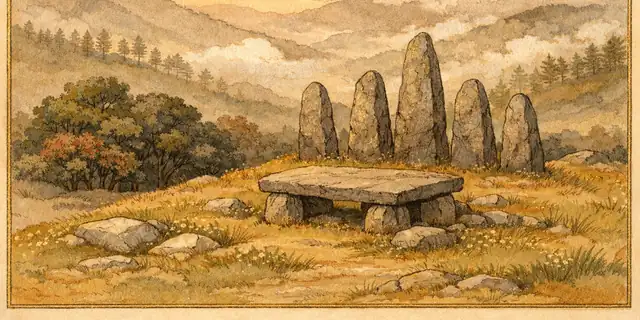
The Khasi are the people of the Khasi Hills in Meghalaya, with smaller numbers in Assam and Bangladesh. They speak Khasi, an Austroasiatic language that Welsh missionaries at Cherrapunji began to write in the Roman script after 1842. Descent is through the mother: a child belongs to the mother's kur, or clan, marriage within the kur is forbidden, and the youngest daughter keeps the family house and its rites. The old Khasi states, each under a syiem chosen from a royal clan with a durbar of elders, still keep their chiefs. The Khasi are a Scheduled Tribe in one entry with the Jaintia (Pnar or Synteng), War, Bhoi and Lyngngam.
Meghalaya, Assam, Bangladesh
Lotha
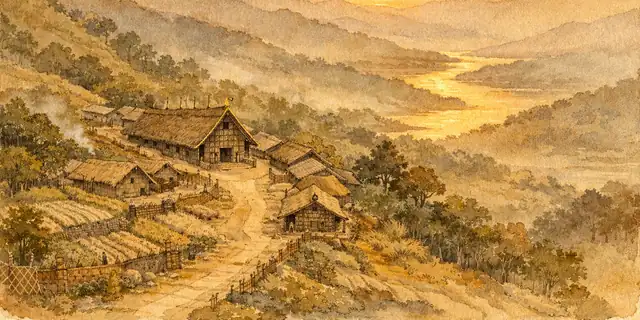
The Lotha are a Naga people of Wokha district in Nagaland, in the basin of the middle and lower Doyang river. Mills (1922) recorded their own name as Kyon, 'man'; Lhota was the name by which the government knew them. They are divided into three phratries, said to descend from three brothers who came out of the earth, and each phratry into clans (chibo). They are a Scheduled Tribe within the entry 'Naga' in Nagaland.
Nagaland
Meitei
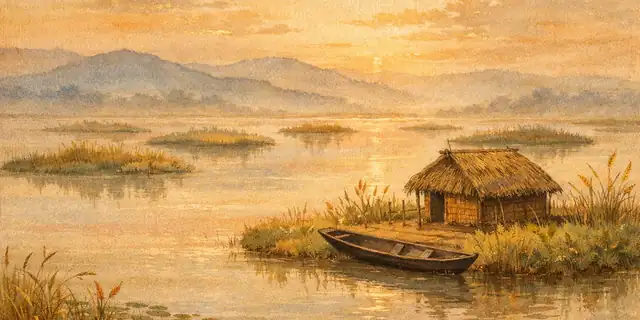
The Meitei, also written Meetei, are the people of the Imphal valley in Manipur. Their language, Meiteilon or Manipuri, is the official language of Manipur and is in the Eighth Schedule of the Constitution. They are organised in seven patrilineal clans, the salai, each made up of many family lines (yumnak) whose names are used as surnames. Most Meitei are Vaishnava Hindus; others follow the traditional Sanamahi religion, and some are Christian. They are not a Scheduled Tribe.
Manipur, Assam, Tripura, Bangladesh
Mizo
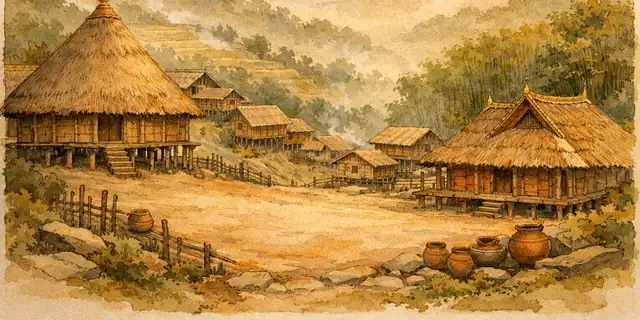
The Mizo are the people of Mizoram: the Lushei clan and the many clans that came under the rule of its Thangur chiefs and took up their speech, together called Lushai in older books. Their language, the dialect of the Lushei clan, became the common language of the hills and has been written in the Roman alphabet since the missionaries Lorrain and Savidge wrote it down in the 1890s. Clans (hnam) pass through the father. Most Mizo are Christian. In the Scheduled Tribe lists they are 'Any Mizo (Lushai) tribes'.
Mizoram, Manipur, Tripura, Assam
Naga
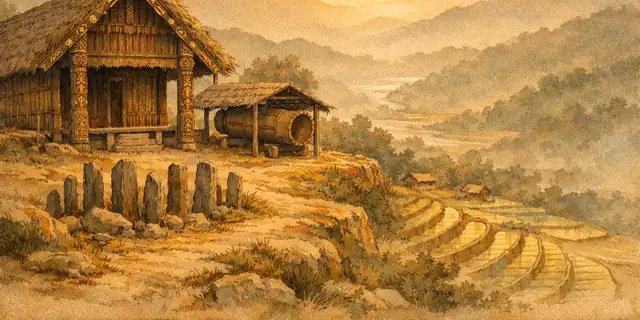
Naga is the shared name of many related peoples of the hills between the Brahmaputra valley and the Chindwin, in Nagaland, Manipur and Assam and across the border in Myanmar. Each tribe has its own language, clans, customs and lands. In the Scheduled Tribe lists Nagaland names them together as 'Naga', Meghalaya, Mizoram and the hill districts of Assam as 'Any Naga tribes', and Manipur lists its Naga tribes by name. This page is an overview; each tribe has its own page.
Nagaland, Manipur, Assam, Myanmar
Paite
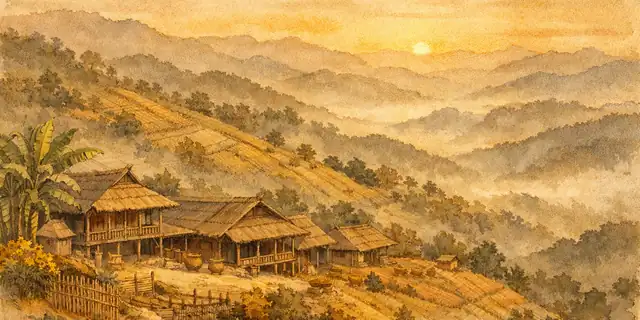
The Paite are a people of the hills of south-western Manipur, above all Churachandpur district, with villages also in Mizoram and in the Chin Hills of Myanmar. Shakespear (1912) recorded that the Lushai called them Paihte while they and the Manipuris more often said Vuite, and counted eleven of their villages, with 877 houses, in Manipur and two in the Lushai Hills. They are a Scheduled Tribe in Manipur and Mizoram, listed as Paite.
Manipur, Mizoram, Myanmar
Pnar
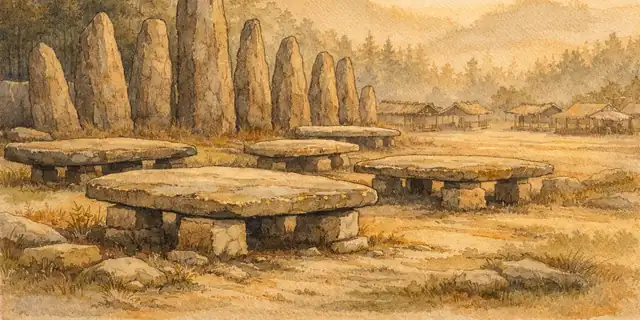
The Pnar, also called Jaintia or Synteng, are the people of the Jaintia Hills in eastern Meghalaya, with a smaller number in the Jaintiapur area of Bangladesh. They are close kin of the Khasi and are often counted as a branch of them; their speech, Pnar, is the Synteng dialect of Khasi spoken around Jowai. Descent is through the mother, and Gurdon found that the Pnar kept the old matrilineal customs more closely than the Khasi. The Jaintia Hills take their name from the Rajas of Jaintia. The Pnar are a Scheduled Tribe within the combined Khasi entry, and Synteng is also listed on its own.
Meghalaya, Bangladesh
Sumi
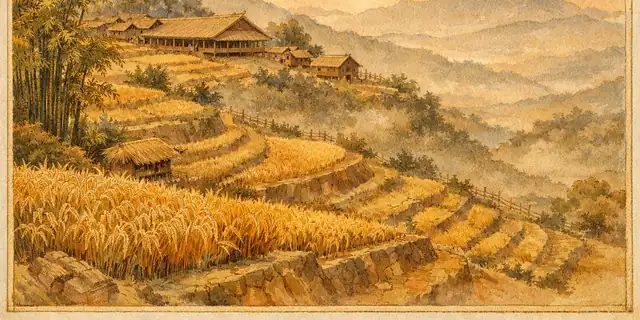
The Sumi (Sümi), long written Sema, are a Naga people of central Nagaland, above all of Zünheboto district. Hutton (1921) found a society built round the village and its hereditary chief rather than the clan: each village or part of a village followed a chief, and a chief's eldest son usually founded a village of his own. Hutton counted about twenty-two clans (ayeh). They are a Scheduled Tribe, within 'Naga' in Nagaland and listed as 'Sema' in Manipur.
Nagaland, Manipur
Tangkhul
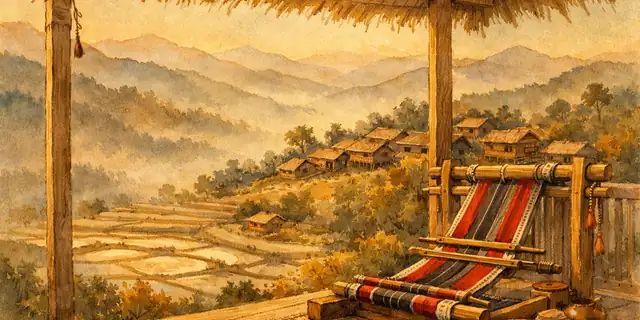
The Tangkhul are a Naga people of the hills east and north-east of the Manipur valley, in Ukhrul and Kamjong districts, with related villages across the border in Myanmar. Hodson (1911) found each village made up of exogamous clans of kin in the male line, each holding its own part of the village, and noted that in most villages the clans also bore Manipuri clan names. They are a Scheduled Tribe in Manipur, listed as Tangkhul.
Manipur, Myanmar
Thadou
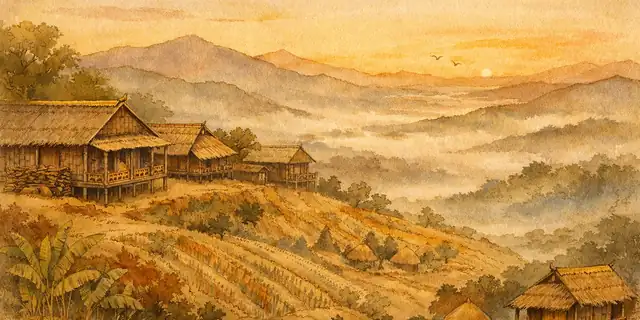
The Thadou are a people of the hills around the Manipur valley, with villages also in the Naga Hills, the North Cachar Hills of Assam and across the border in Myanmar. They take their name from the ancestor Thadou, and their clans keep long genealogies that run back to him, to his brothers and to his elder kinsman Doungel. Descent is through the father, and villages were led by hereditary chiefs. They are a Scheduled Tribe in Manipur, listed as Thadou.
Manipur, Nagaland, Assam, Myanmar
East
Birhor
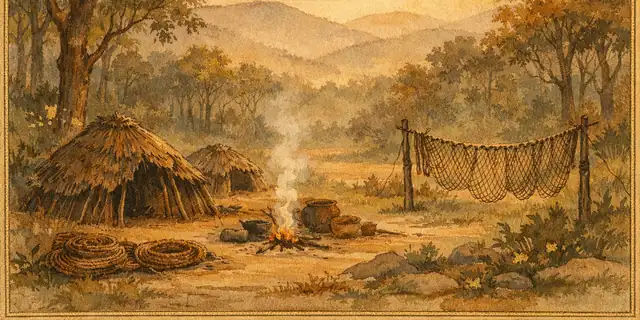
The Birhor, the 'jungle folk' (bir, forest, and hor, man), are a small Munda-speaking people of the forests of Chota Nagpur, most of them in Jharkhand, with others in Chhattisgarh, West Bengal, Odisha, Bihar, Madhya Pradesh and Maharashtra. Roy (1925) found them living in tandas, bands of a few families, some moving from forest to forest and some settled, who hunted, gathered honey and made rope from the chop creeper. Their exogamous clans are called gotras. They are a Scheduled Tribe and a particularly vulnerable tribal group (PVTG); the 2011 census counted 17,241.
Jharkhand, Chhattisgarh, West Bengal, Odisha
Ho
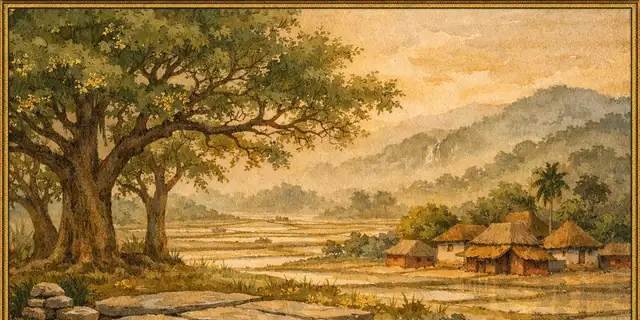
The Ho are a Munda-speaking people whose homeland is the Kolhan, in the Singhbhum country of Jharkhand, with others in Odisha, West Bengal and Bihar. They speak Ho. Ho society is divided into some fifty or sixty exogamous killis, most named after an animal, plant or object, and a village usually belongs to the killi that founded it. Villages are grouped into pirs, each or part of each under a manki, and every village has a munda as headman and a deuri as priest. The Ho are a Scheduled Tribe in four states; the 2011 census counted 1,033,095.
Jharkhand, Odisha, West Bengal, Bihar
Kharia
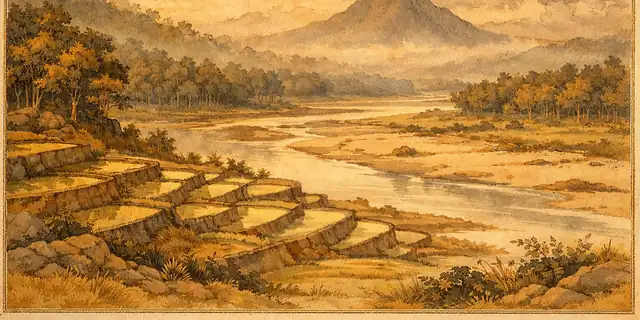
The Kharia are a Munda-speaking people of the hills of Jharkhand, Odisha and Chhattisgarh, with others in West Bengal, Bihar, Madhya Pradesh and Maharashtra. Roy and Roy (1937) describe three divisions: the Dudh Kharia, centred on Biru pargana of the old Ranchi district; the Dhelki Kharia of the former Jashpur and Gangpur states; and the Hill (Pahari or Erenga) Kharia of the Simlipal hills of Mayurbhanj and the hills of Singhbhum and Manbhum. Among the Dudh and Dhelki the exogamous totemic clan, which they call gotra, governs marriage. The Kharia are a Scheduled Tribe in seven states.
Jharkhand, Odisha, Chhattisgarh, West Bengal
Munda
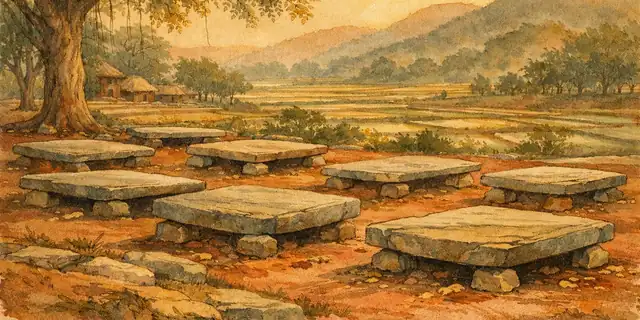
The Munda are a people of the Chota Nagpur plateau, most of them in Jharkhand, with others in Odisha, West Bengal, Chhattisgarh, Bihar, Madhya Pradesh and Tripura. They speak Mundari and call themselves Horoko, 'men'. Every Munda belongs to his father's killi (clan) and marries outside it. A village belongs to the descendants of the family that cleared it, the khuntkattidars, whose dead lie under the flat sasandiri stones of the village sasan, and related villages form a parha. The Munda are a Scheduled Tribe in seven states; the 2011 census counted 2,203,006.
Jharkhand, Odisha, West Bengal, Chhattisgarh
Oraon
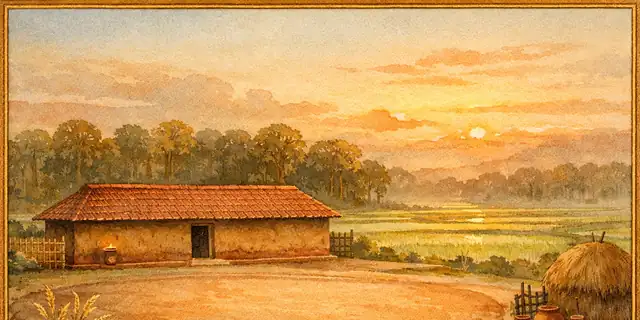
The Oraon call themselves Kurukh and speak Kurukh, a Dravidian language. Most live on the Chota Nagpur plateau of Jharkhand and in Chhattisgarh, West Bengal, Odisha and Bihar, with others in Maharashtra, Madhya Pradesh, the Duars and Assam. Their totemic, exogamous clans, which Roy (1915) records under the word gotra, govern marriage; their villages are grouped into parhas, and many villages kept a house for the young men, the dhumkuria. They are a Scheduled Tribe in seven states; the 2011 census counted 3,682,992.
Jharkhand, Chhattisgarh, West Bengal, Odisha
Santal
ᱥᱟᱱᱛᱟᱲ
The Santal are a people of eastern India who call themselves hor, 'man', and speak Santali, a Munda language now written in the Ol Chiki script. Most live in Jharkhand, West Bengal, Odisha and Bihar, with smaller numbers in Tripura and Assam and in Bangladesh and Nepal. Every Santal belongs by birth to one of twelve exogamous paris (clans), each divided into sub-clans, and village life turns on the manjhi (headman) and his officers and on the jaher, the sacred grove. They are a Scheduled Tribe in five states, where the 2011 census counted 6,570,807.
Jharkhand, West Bengal, Odisha, Bihar
Central
Gond
The Gond, who call themselves Koitur or Koi, are an Adivasi people of central India, living across the old Gondwana country of Madhya Pradesh, Chhattisgarh, eastern Maharashtra and northern Telangana, with others in Odisha, Andhra Pradesh, Uttar Pradesh, Karnataka, Jharkhand and Bihar. Their language, Gondi, is Dravidian, and many Gonds also speak Hindi, Marathi, Odia or Telugu. Gond kings ruled much of central India from the fourteenth century. Gond clans are grouped into numbered, exogamous phratries. They are a Scheduled Tribe in most of these states.
Madhya Pradesh, Chhattisgarh, Maharashtra, Telangana
Lodhi
लोधी
Lodhi, also Lodh or Lodha, is a community of central and northern India, found mostly in Madhya Pradesh, above all in the Vindhyan districts and the Narmada valley, where many families came from Uttar Pradesh. Lodhi associations use the name Lodhi Rajput. The community is in the central OBC list for several states. Rani Avantibai of Ramgarh, who opposed the British in 1857, was a Lodhi queen.
Madhya Pradesh, Uttar Pradesh, Chhattisgarh, Rajasthan
West
North
Gurjar
गुर्जर
Gurjar, also written Gujjar and Gujar, is a community of north and north-western India, Pakistan and Afghanistan, divided into many clans. Hindu Gurjars live mostly in settled villages in Rajasthan, Gujarat, Haryana, Madhya Pradesh, the Punjab plains and Maharashtra, and are in the Other Backward Classes in several states. In Jammu and Kashmir, Ladakh and parts of Himachal Pradesh, where many are Muslim and some families still move with their herds between the foothills and the mountain pastures, the Gujjars are a Scheduled Tribe.
Rajasthan, Uttar Pradesh, Haryana, Delhi
Jatav
जाटव
The Jatav are a community of western Uttar Pradesh and the neighbouring states of Rajasthan, Haryana, Punjab and Delhi, with Agra as a historic centre of their organising. Most Jatav families are Hindu; some became Buddhist after B. R. Ambedkar's conversion in 1956, and many also honour Guru Ravidass. In Uttar Pradesh they are part of the state's largest Scheduled Caste entry.
Uttar Pradesh, Rajasthan, Haryana, Delhi
Kurmi
कुर्मी
Kurmi is a community of the Gangetic plain, found mostly in Uttar Pradesh and Bihar, with families in Madhya Pradesh, Chhattisgarh, Jharkhand and the Terai of Nepal. In the early twentieth century Kurmi associations led one of the best-known movements for Kshatriya status in north India. The Kurmi are counted among the Other Backward Classes.
Uttar Pradesh, Bihar, Jharkhand, Madhya Pradesh
Yadav
यादव
Yadav is the name that the Ahirs of the Hindi belt and related communities, known locally as Gwala, Gope or Goala, took up from the late nineteenth century as part of a movement that claimed descent from the legendary king Yadu and from Krishna. Yadavs live across the Gangetic plain, in Haryana, Rajasthan, Madhya Pradesh, Gujarat and Maharashtra, and in Nepal. The community is in the central OBC list in most north Indian states, usually in one entry that joins Ahir and Yadav.
Uttar Pradesh, Bihar, Haryana, Rajasthan
What each community calls a clan
- Ayeh
- Sumi
- Chatchi
- Garo
- Chibo
- Lotha
- Clan
- Ao, Lodhi, Naga, Paite, Tangkhul, Thadou
- Gotra
- Birhor, Gurjar, Jatav, Kharia, Oraon, Yadav
- Hnam
- Mizo
- Killi
- Ho, Munda
- Kul
- Kurmi, Mahar
- Kur
- Gond, Karbi, Khasi, Pnar
- Mahari
- Bodo
- Pari
- Santal
- Salai
- Meitei
- Thino
- Angami
About the official lists
- Scheduled Tribe
- Constitution (Scheduled Tribes) Order, 1950, and the orders for some states and union territories, as amended.
- Scheduled Caste
- Constitution (Scheduled Castes) Order, 1950, and the orders for some states and union territories, as amended.
- Other Backward Class
- The central list of the National Commission for Backward Classes, and each state's own list.
A listing applies in the states named, and sometimes only in some districts. The pages give each listing with the date it was checked. For a certificate, the current order or the state's list is what counts.
Questions
What is the difference between a Scheduled Tribe, a Scheduled Caste and an OBC?
They are lists the Constitution provides for. Scheduled Tribes and Scheduled Castes are named state by state in orders issued by the President and amended by Parliament. Other Backward Classes are named in a central list kept by the National Commission for Backward Classes and in each state's own list. The same community can be in one list in one state and another list, or none, in the next state.
Is a clan the same as a gotra?
No. A gotra traces a family to a Vedic rishi. Most of the communities here keep clans of their own: the twelve paris of the Santal, the killis of the Munda and Ho, the matrilineal kurs of the Khasi and chatchis of the Garo, the seven salai of the Meitei. Each page uses the community's own word, and some communities do use the word gotra for a clan that has nothing to do with a rishi.
Can I use these pages to check whether my community is listed for a certificate?
Use them as a guide, not as proof. The lists are amended from time to time and differ by state, district and sometimes by sub-group. Each page says when it was checked and which sources it used. For a certificate, the current order or the state's own list is what counts.
My community or clan is not here. What can I do?
Pages are added over time, and the north-east and the east are covered first. Search the Kul directory for the clan name, and the surname directory for the family name.
Also explore
Single clans have their own pages in the Kul directory. Families with a Vedic gotra are in the gotra directory, and the meaning of a family name is in the surname directory.