
Kondh
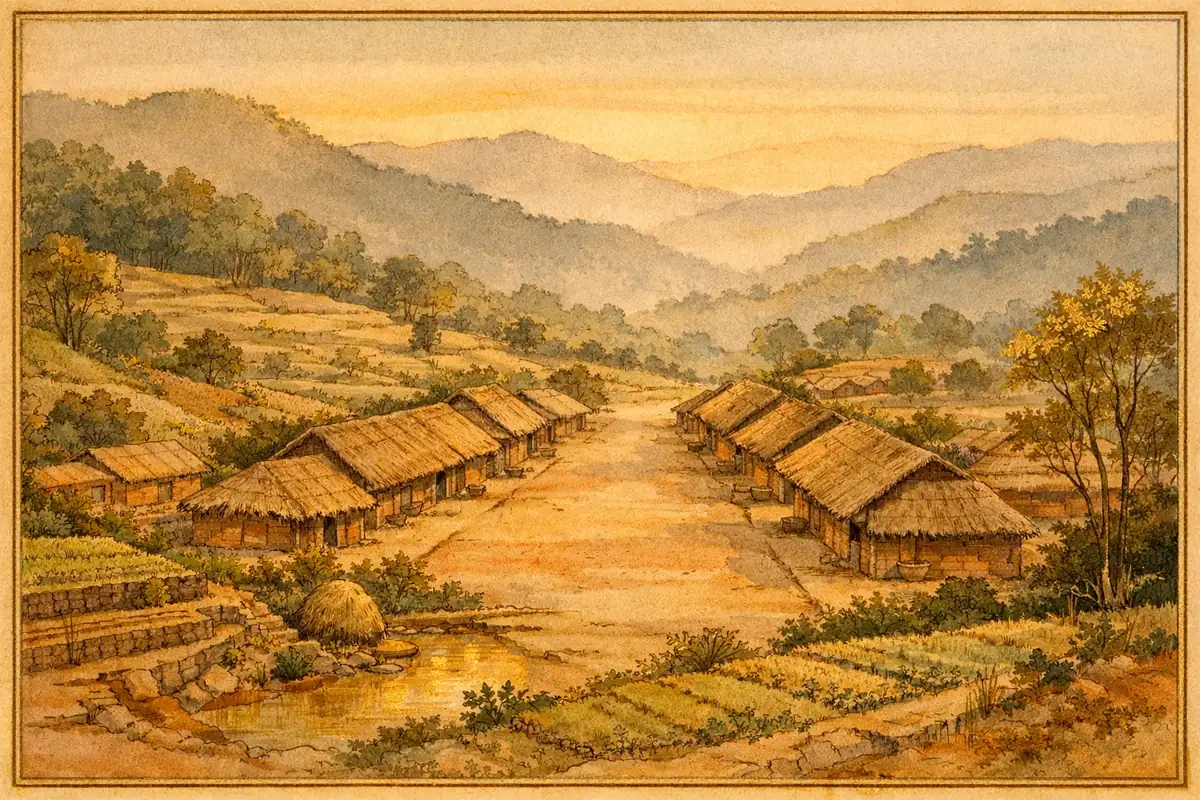
At a glance
- Clan word
- Mutha
- Descent
- Through the father
- Lives in
- Odisha, Andhra Pradesh, Chhattisgarh, Telangana, West Bengal, Maharashtra, Jharkhand, Bihar, Madhya Pradesh
- Languages
- Kui (Dravidian), Kuvi (Dravidian)
- Population
- 17,43,406 Census 2011, Table A-11, Kondh entries added together: Odisha 1,627,486; Andhra Pradesh (undivided) 103,290; Chhattisgarh 10,991; West Bengal 660; Maharashtra 515; Jharkhand 221; Bihar 134; Madhya Pradesh 109. Odisha's separate 'Kandha Gauda' entry (26,403) is not included.
- Part of
- Dravidian
- Region
- East
About
The Kondh, who call themselves Kui, are the largest tribe of Odisha, living mostly in the hills of Kandhamal, Rayagada, Kalahandi and Koraput, with others in Andhra Pradesh and Chhattisgarh. They speak Kui and Kuvi, Dravidian languages. SCSTRTI describes territorial sections such as the Kutia, Dongria and Desia Kondh, and fifty exogamous clans, each tied to a mutha, a group of villages; Risley (1891) recorded the same fifty in the Kandhmals. They are a Scheduled Tribe in nine states, and the Dongria and Kutia Kondh are particularly vulnerable tribal groups (PVTGs). The 2011 census counted 1,743,406.
Clans and Kinship
Risley (1891), from an inquiry made for him by James Taylor, tahsildar of the Kandhmals, found the Kandhs divided into fifty exogamous gochis, each named after a muta, a group of villages, whose members believe they share one ancestor and live together as a body of kin. Each gochi was split into klambu, sub-septs that were in effect extended families settled in one village of the muta, and the whole gochi met in council on grave matters. Both go by the father's side. A Kandh may not marry in his own gochi, nor in his mother's klambu for three or four generations. SCSTRTI (2013) gives the same picture, calling the clan a mutha and counting fifty, and describes four functional groups (punja) within the territorial clan groups: mondal, bismajhi, jani and pujari. Villages have a saanta, mondal, jani, bismajhi and barik, and each mutha has its own head, the mandal, majhi or patro.
What “Mutha” means
SCSTRTI (2013) calls the Kandha exogamous clan a mutha, the name also of the group of villages each clan holds, and counts fifty. Risley (1891) wrote gochi for the same groups, each named after a muta, with sub-septs called klambu; SCSTRTI's profile also gives kuda and bons.
50 muthas
- Besringia
gochi of the Kandhmals (Risley 1891)
Risley's appendix prints ten klambu beside it, among them Besera, Masara, Boboto and Mallika.
- Bhetumendi
gochi of the Kandhmals (Risley 1891)
- Rasimendi
gochi of the Kandhmals (Risley 1891)
- Sagormendi
gochi of the Kandhmals (Risley 1891)
- Bankamendi
gochi of the Kandhmals (Risley 1891)
- Bidumendi
gochi of the Kandhmals (Risley 1891)
- Baloskuppa
gochi of the Kandhmals (Risley 1891)
- Grandimendi
gochi of the Kandhmals (Risley 1891)
- Gumalmendi
gochi of the Kandhmals (Risley 1891)
- Dutimendi
gochi of the Kandhmals (Risley 1891)
- Sandumendi
gochi of the Kandhmals (Risley 1891)
- Tuniamendi
gochi of the Kandhmals (Risley 1891)
- Bhetimendi
gochi of the Kandhmals (Risley 1891)
- Sidupari
gochi of the Kandhmals (Risley 1891)
- Delapari
gochi of the Kandhmals (Risley 1891)
- Kaliapari
gochi of the Kandhmals (Risley 1891)
- Rakodmoska
gochi of the Kandhmals (Risley 1891)
- Pundilkia
gochi of the Kandhmals (Risley 1891)
- Bogalkia
gochi of the Kandhmals (Risley 1891)
- Teridikia
gochi of the Kandhmals (Risley 1891)
- Koskirabi
gochi of the Kandhmals (Risley 1891)
- Domsing
gochi of the Kandhmals (Risley 1891)
- Kalabag
gochi of the Kandhmals (Risley 1891)
- Kutrengia
gochi of the Kandhmals (Risley 1891)
Its five klambu are Kotringa, Bisunga, Damlunga, Somanga and Mongalka (Risley).
- Jehilingia
gochi of the Kandhmals (Risley 1891)
- Petingia
gochi of the Kandhmals (Risley 1891)
- Kerlingia
gochi of the Kandhmals (Risley 1891)
- Bakolmendi
gochi of the Kandhmals (Risley 1891)
- Dopsingia
gochi of the Kandhmals (Risley 1891)
- Sehelengia
gochi of the Kandhmals (Risley 1891)
- Dangnikia
gochi of the Kandhmals (Risley 1891)
- Adgirkia
gochi of the Kandhmals (Risley 1891)
Its seven klambu are Koskigan, Panjurika, Surumanega, Pandega, Sarenga, Neringa and Damanga (Risley).
- Lotpongia
gochi of the Kandhmals (Risley 1891)
- Danikia
gochi of the Kandhmals (Risley 1891)
- Robingia
gochi of the Kandhmals (Risley 1891)
- Mutungia
gochi of the Kandhmals (Risley 1891)
- Ganingia
gochi of the Kandhmals (Risley 1891)
- Behingia
gochi of the Kandhmals (Risley 1891)
- Dubosingia
gochi of the Kandhmals (Risley 1891)
- Dondikia
gochi of the Kandhmals (Risley 1891)
- Bhusangia
gochi of the Kandhmals (Risley 1891)
- Koinjabari
gochi of the Kandhmals (Risley 1891)
- Suramendi
gochi of the Kandhmals (Risley 1891)
- Bhursamendi
gochi of the Kandhmals (Risley 1891)
- Pobingia
gochi of the Kandhmals (Risley 1891)
- Gopingia
gochi of the Kandhmals (Risley 1891)
- Saitingia
gochi of the Kandhmals (Risley 1891)
- Pheringia
gochi of the Kandhmals (Risley 1891)
- Jorapongia
gochi of the Kandhmals (Risley 1891)
- Bobdengia
gochi of the Kandhmals (Risley 1891)
The fifty gochis Risley lists for the Kandhs of the Kandhmals (1891, vol. II, Appendix I, pp. 68-69), in his numbered order, from Taylor's inquiry. SCSTRTI (2013) names Saiti, Paba, Jurapi, Bongodi, Baka, Bidu, Teriki, Damsing and Pira among today's fifty muthas, which match Saitingia, Pobingia, Jorapongia, Bakolmendi, Bidumendi, Teridikia, Domsing and others here. The scans of Risley's klambu lists are hard to align beyond the three noted.
In the Official Lists
Scheduled Tribe
Odisha, Andhra Pradesh, Telangana, Chhattisgarh, Madhya Pradesh, Maharashtra, Jharkhand, Bihar, West Bengal
Listed as: Khond
Odisha: 'Khond, Kond, Kandha, Nanguli Kandha, Sitha Kandha', to which the census table adds Kondh, Kui, Buda Kondh, Bura Kandha, Desia Kandha, Dungaria Kondh, Kutia Kandha, Kandha Gauda, Muli Kondh, Malua Kondh, Pengo Kandha, Raja Kondh and Raj Khond. Andhra Pradesh and Telangana: 'Kondhs, Kodi, Kodhu, Desaya Kondhs, Dongria Kondhs, Kuttiya Kondhs, Tikiria Kondhs, Yenity Kondhs'. Chhattisgarh, Madhya Pradesh and Maharashtra: 'Kondh, Khond, Kandh'. Jharkhand, Bihar and West Bengal: 'Khond'.
Checked against the 2011 census table of each state and Wikipedia's compilation of the order; amendments after 2011 were not checked. The Andhra Pradesh table covers the state before Telangana was formed in 2014. Odisha also lists Kandha Gauda as a separate tribe (26,403 in 2011), not counted here. The PVTG list from the 2019 PIB release names the Dongria Khond and Kutia Khond for Odisha and for Andhra Pradesh and Telangana.
Checked on 2026-11-07 against the sources below. The lists are amended from time to time and can differ by district; for a certificate, the current order or the state's list is what counts.
Name and Origin
Thurston (1909), citing the Madras census of 1891, notes that the Kondhs call themselves Kui and that Macpherson derived Khond from the Telugu konda, a hill; Cotterell preferred the spelling Kondh as closer to the people's own speech. SCSTRTI (2013) gives Kuiloku, Kuienju and Kuinga as their own names. Thurston also records a tradition that four Kondhs, Kasi, Mendora, Bolti and Bolo, brought their ancestor Mandia Patro from Jorasingi in Boad and gave him and his descendants authority over Mahasingi and the neighbouring tracts, on condition that he settle their disputes.
History
Risley (1891) wrote that the Kandhs had been under the close watch of British officers since 1837, because human sacrifice (meriah) and infanticide were then practised among them; SCSTRTI (2013) says human beings were sacrificed at the Meria festival in the past, and calls the festival today a symbol of Kandha identity. The Kondh now live in all thirty districts of Odisha, most of them in the south. SCSTRTI describes sections at different stages of change, from the Kutia Kondh of Belghar and the Dongria Kondh around Bissamcuttack, who keep more of the old ways, to the Desia Kondh of the Phulbani plains, who have taken up many Hindu customs.
Faith and Worship
SCSTRTI (2013) records Dharni Penu, the earth goddess, as the supreme deity, whose altar stands in the village street; other deities are Jatrakudi of the village, Gungi Penu of streams, Bhima Penu of the mountains, Lai Penu of the forest, Sita Penu of wealth and Birna Penu of rain. Ancestor spirits are worshipped, and rites are led by the jani, lamba and pujari, the disari (astrologer), and the beju and bejuni. Buffaloes, goats, pigs and fowls are sacrificed. Thurston (1909) adds that settled Kondhs worshipped deities ranging from their own Jakara to the Hindu gods.
Deities named in the sources: Dharni Penu
Customs
Unmarried young people sleep in dormitories, called dhangda-dhangdi basa, idu and other names; young men from the villages into which they may marry visit the girls' dormitory in the evening and leave before dawn (SCSTRTI). Thurston (1909) describes the dhangadi basa in the same way. Mates are found by negotiation, by service and by capture, with a bride-price in cash and kind, and levirate and sororate are allowed. Both burial and cremation are practised; death pollution lasts ten days, with purification on the eleventh. Kandha women have been known for facial tattoos (SCSTRTI 2013).
Related communities
Sources
- E. Thurston and K. Rangachari, Castes and Tribes of Southern India, vol. III (Madras, 1909). s.v. Kondh, pp. 356-369 (names, language, tradition of Mandia Patro, dhangadi basa, totemistic septs)
- H. H. Risley, The Tribes and Castes of Bengal: Ethnographic Glossary, vol. I (Calcutta, 1891). s.v. Kandh, pp. 397-402 (exogamy, gochi and klambu)
- H. H. Risley, The Tribes and Castes of Bengal: Ethnographic Glossary, vol. II (Calcutta, 1891). Appendix I, pp. 68-69 (the fifty gochis). Second scan read: https://archive.org/details/tribes-and-castes-of-bengal-volume-2
- SCSTRTI Odisha, Kandha (photo handbook, Bhubaneswar, 2013), from the Ministry of Tribal Affairs repository. Foreword; social life; social control
- SCSTRTI Odisha, tribe profile: Khond. Scheduled Castes and Scheduled Tribes Research and Training Institute, Bhubaneswar; read 7 November 2026
- Census of India 2011, Table A-11: State Primary Census Abstract for individual Scheduled Tribes (one table for each state). Odisha (catalog 42960); Andhra Pradesh (catalog 42967); Chhattisgarh (catalog 42961); Madhya Pradesh (catalog 42962); Maharashtra (catalog 42966); Jharkhand (catalog 42959); Bihar (catalog 42949); West Bengal (catalog 42958)
- Constitution (Scheduled Tribes) Order, 1950, as amended, Parts for Odisha, Andhra Pradesh, Telangana, Chhattisgarh, Madhya Pradesh, Maharashtra, Jharkhand, Bihar and West Bengal, as compiled in Wikipedia's List of Scheduled Tribes from the Census of India list of notified Scheduled Tribes
- Particularly vulnerable tribal group, Wikipedia (pointer only: the PVTG list from the PIB release 'Welfare of particularly vulnerable Tribal groups', 2019)
Practice differs by village and family. If something here does not match your family's tradition, trust your elders.